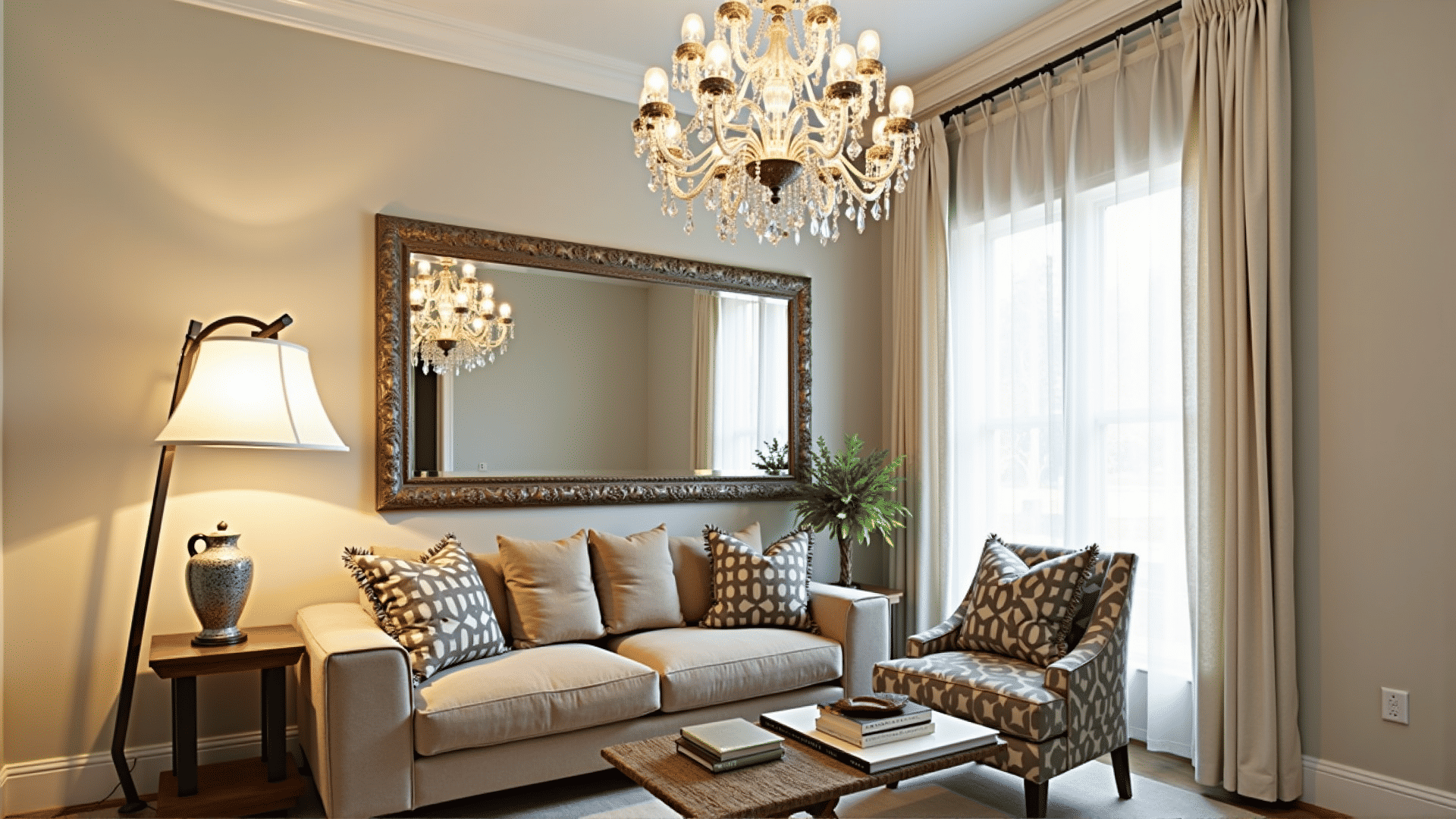
Lighting design is an essential element of interior design that can significantly influence both the aesthetic appeal and practical use of a space. Understanding the subtleties of effective lighting can help transform your living areas into inviting, warm, and functional environments.
Firstly, consider the purpose of the room when designing a lighting plan. Different areas in a home require various types of lighting to accommodate their functions. For instance, the kitchen benefits from bright, focused lighting to aid in meal preparation, while the living room might require softer, ambient lighting for relaxation and socialization.
A layered approach to lighting is often recommended to achieve the desired effect in each space. This involves combining different types of lighting, such as ambient, task, and accent lighting. Ambient lighting serves as the general illumination for a room, while task lighting is more focused and bright, ideal for specific activities like reading or cooking. Accent lighting is used to highlight certain features, such as artwork or architectural elements, adding depth and interest to the room.
The choice of lighting fixtures also plays a crucial role in the overall design. Fixtures should complement the style and décor of the space while fulfilling their functional requirements. For contemporary spaces, sleek and minimalistic fixtures work well, whereas traditional settings might call for more ornate options.
Color temperature is another important aspect to consider, as it affects the mood of a room. Warm white lights tend to create a cozy and inviting atmosphere, while cooler tones give a more energetic and bright feel, suitable for areas requiring concentration.
Moreover, the arrangement of light sources can influence the perception of space size and height. For instance, strategic placement of recessed lighting can make a room feel larger, while pendant lights can draw the eye and create a focal point.
Finally, it's essential to integrate flexibility into your lighting design. Dimmers and adjustable fixtures allow you to change the mood and functionality of a space depending on the time of day or activity. This adaptability not only enhances comfort but also lets you highlight different aspects of your design as desired.
By understanding and applying these principles, you can create a lighting design that’s not only visually appealing but also enhances the usability and enjoyment of your living spaces.